

What are industrial cleaning rags – and is it really downcycling?
Industrial cleaning rags are indispensable in many workshops, businesses, and production halls. However, few people know where these rags actually come from and how they are made.
The term downcycling is often heard in connection with textile recycling. But does this term really apply to industrial cleaning rags?
Let's take a closer look behind the scenes.
What are industrial cleaning rags or recycled cleaning rags?
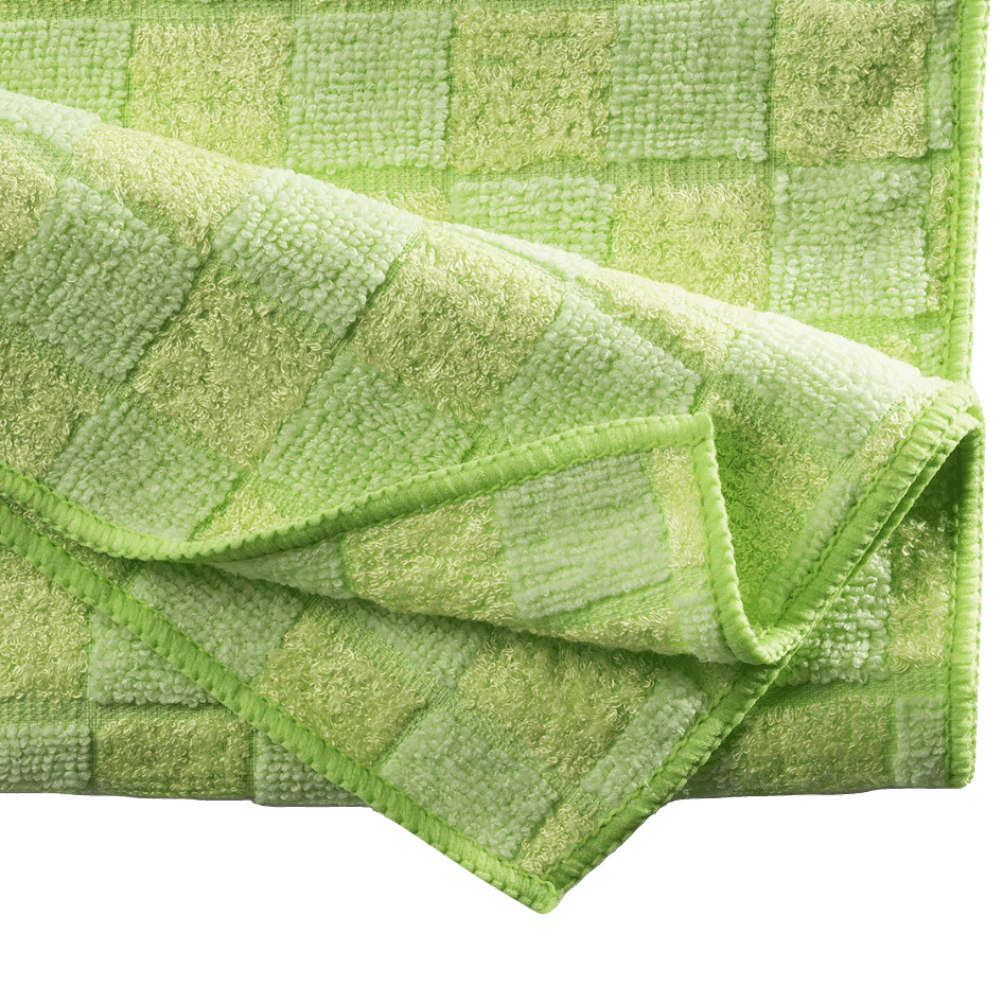
Industrial cleaning rags – often also called recycled cleaning rags – are cleaning rags made from unwearable cotton textiles.
The textiles come from used clothing collections and are carefully checked in sorting facilities. Clothing that can no longer be worn is prepared there for various recycling routes.
One of these possibilities is the production of industrial cleaning rags.
Suitable cotton fabrics are cut by hand. The result is robust, absorbent, and versatile rags – ideal for industry, workshops, or craft businesses.
Since the fabrics have already been washed multiple times, they have particularly high absorbency. This is precisely why recycled textiles are excellent as cleaning rags for oil, grease, water, or dirt.
What recycling routes exist for old clothes?
Unwearable textiles can take different paths in the recycling process. The most important ones include:
1. Production of reclaimed fibers
The textiles are mechanically defibrated. The fibers are then used to create new materials, for example, for insulation materials or nonwovens.
2. Fiber-to-fiber recycling
Here, textile fibers are processed in such a way that new yarns or fabrics can be produced from them again.
3. Production of industrial cleaning rags
Suitable cotton fabrics are cut and reused as recycled cleaning rags in industry and trade.
Only when none of these recycling routes are possible anymore, are the textiles thermally recovered – i.e., incinerated.
Because recycling also has its limits. Factors such as material composition, fabric size, or degree of contamination determine whether a textile can be recycled.
Are recycled cleaning rags really a downcycling product?
The production of cleaning rags from old textiles is often referred to as downcycling.
Downcycling means that a new product is created from an existing product, which has a lower value or quality.
But does this really apply to industrial cleaning rags made from recycled textiles?
We see it a bit differently.
Through processing, the textiles get an additional life cycle. Instead of being directly disposed of, they fulfill an important purpose in industry and crafts for many years to come.
So, from supposed waste, a functional and durable product is created.
Perhaps it is more appropriate to speak of a form of upcycling here – because the material gets a new, meaningful area of application.
Why recycled cleaning rags are a sustainable solution
The recycling of cotton textiles into cleaning rags offers several advantages:
-
Resources are conserved
-
Textile waste is reduced
-
existing materials are used longer
-
fewer new raw materials need to be produced
Especially in industry, large quantities of cleaning materials are needed daily. Recycled cleaning rags are therefore a practical and sustainable alternative to new cleaning textiles.
Conclusion: A second life for textiles
Industrial cleaning rags show that recycling doesn't have to be complicated.
From old clothes, simple processing creates high-quality, absorbent, and durable cleaning rags that are used daily in many businesses.
And that is precisely where their value lies:
They extend the life cycle of textiles and help to make sensible use of resources.