

Terry cloth
Pickup available at Putzlappenshop
Usually ready in 1 hour
Description
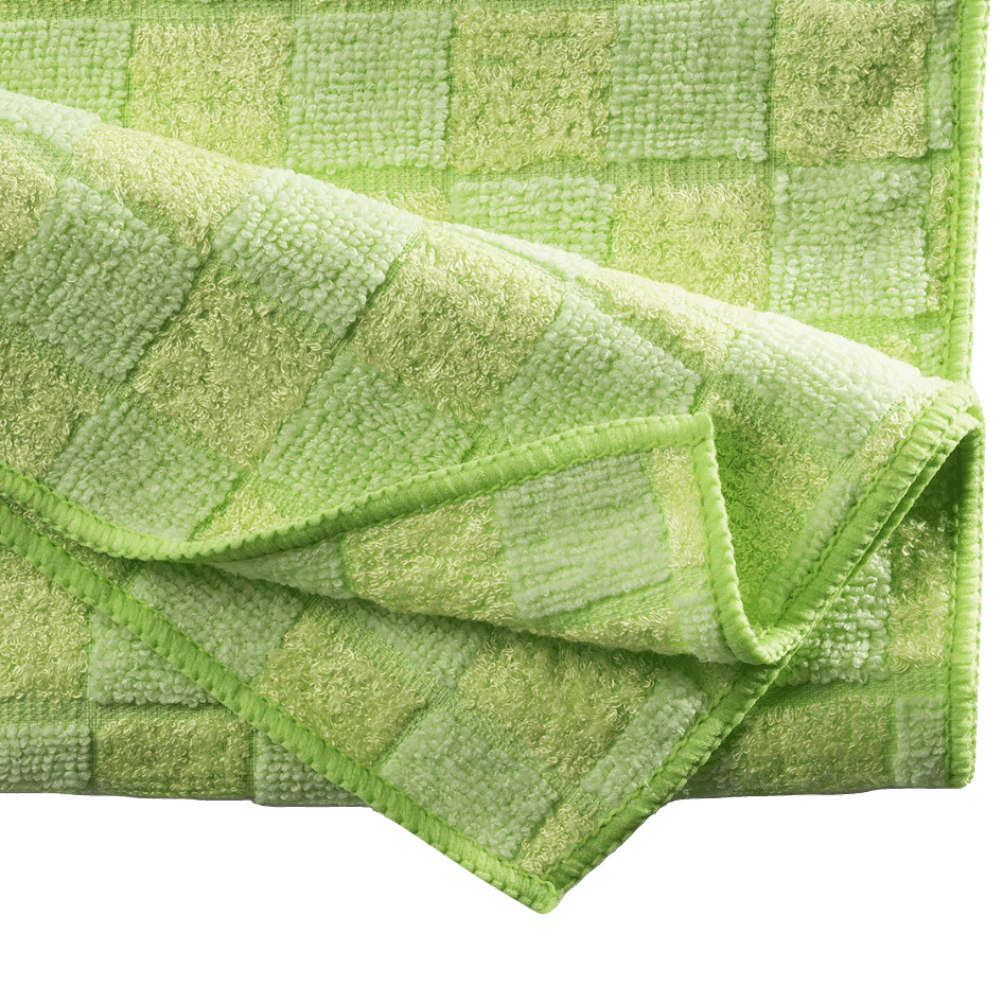
Cotton cleaning rags made from colored or white, soft, sorted and cut bathrobes and towels.
Terry cleaning rags are best suited when high absorbency is required to absorb large quantities of oil, liquids, grease, and coarse dirt. Additionally, these rags not only quickly absorb large amounts of liquid, but also retain it within the fabric. However, due to this characteristic, terry cleaning cloths can lint.
White rags do not bleed color and are solvent-resistant. Furthermore, white cloths have the advantage that the absorbed dirt and thus the saturation of the cleaning rag is directly visible. As a rule, this type of rag therefore also has a longer service life than colored alternatives.
Like all our industrial cleaning rags, the terry rag also meets the requirements of DIN 61650. The cleaning rags are sorted by color and quality, freed from buttons, zippers, eyelets, etc., and cut into handy, irregular sizes of approx. 40 cm x 40 cm.
Features:
- very absorbent
- soft
- dirt-absorbing
- durable
- white rags are solvent-resistant
How is it made?
1. Collection & Pre-sorting
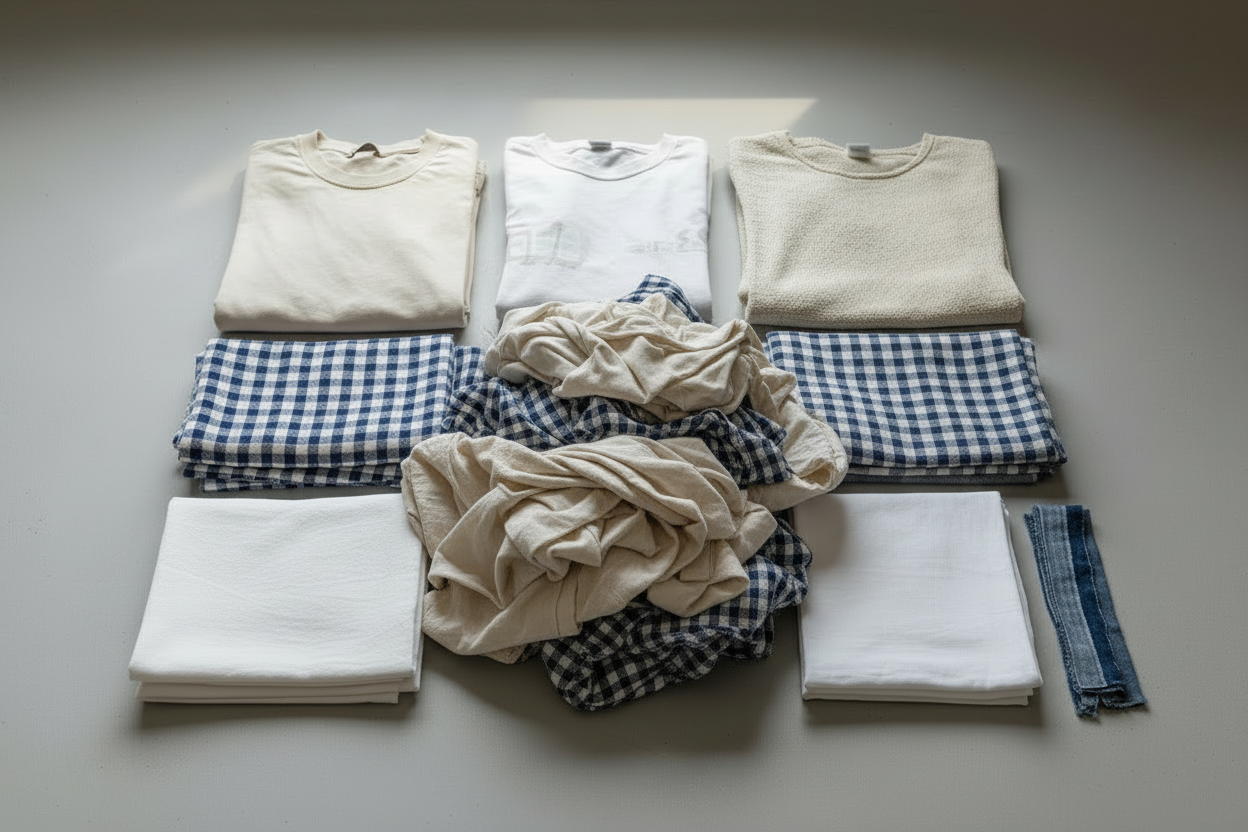
Unwearable cotton clothing is collected via collection points or take-back systems and sorted by material type, quality, and suitability for cleaning cloths.
Instead of being incinerated, these absorbent and robust textiles enter the cleaning cloth cycle. This allows these materials to be given an additional purpose.
2. Cutting & Preparation
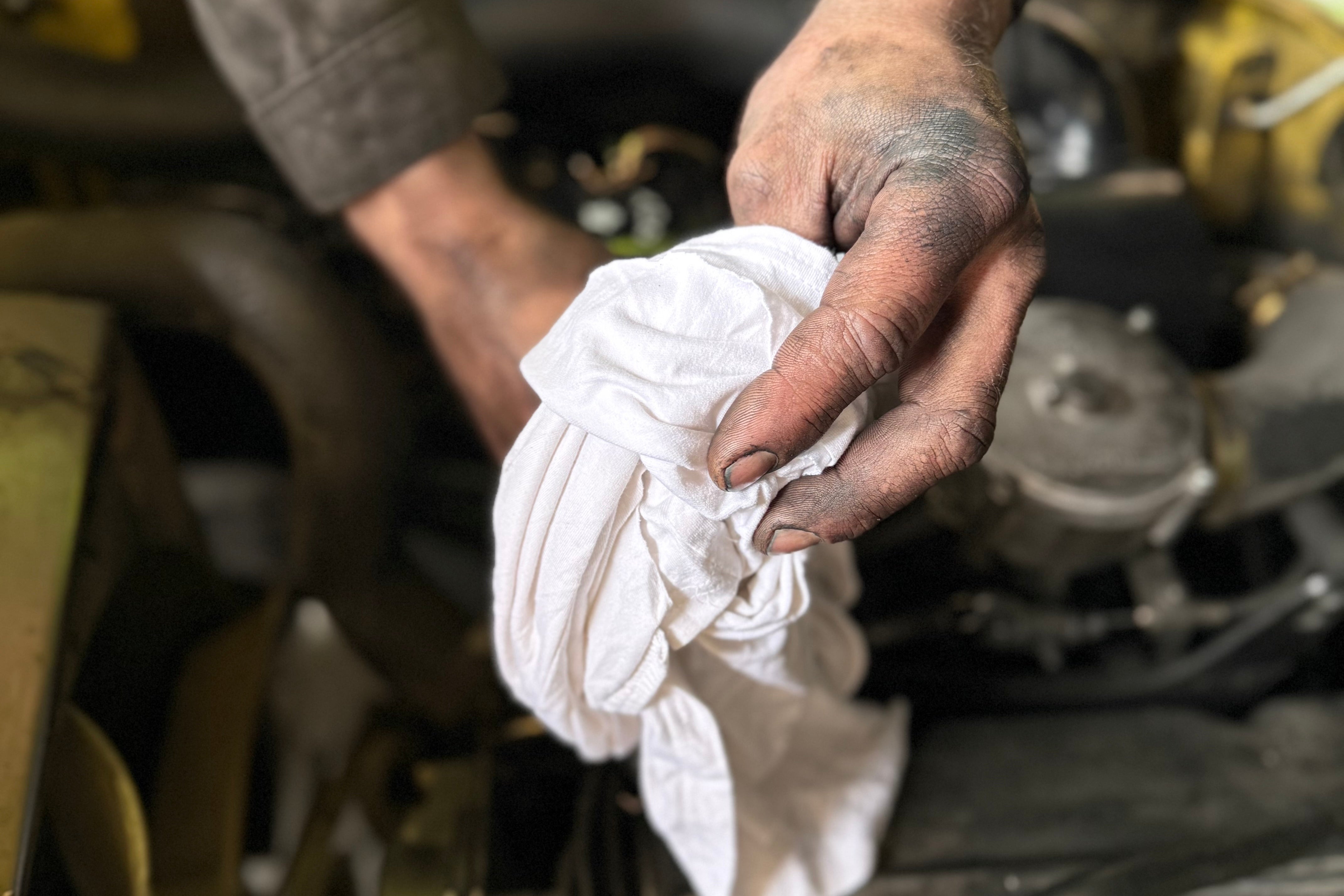
The selected textiles are freed from buttons, zippers, and interfering elements, reconditioned, and then cut into manageable formats.
By dividing them into different fabrics and colors, the right cloth can be used for every application.

3. Quality Check & Packaging
The cut cloths are checked for cleanliness, material quality, and uniform size, and then pressed into cubes or placed in cartons.
Afterward, they are packaged, often with minimal or recyclable packaging materials, and shipped as finished, sustainable cleaning cloths.
From old clothes – a clean future
Our cleaning rags are made from carefully selected used textiles, extending the life cycle of existing materials. Instead of consuming new resources, we use what is already available – for less waste, a smaller carbon footprint, and a truly sustainable cleaning experience.
Frequently Asked Questions
Are the products sustainable?
Yes, reusing existing materials conserves resources.
Are there any deviations in color or texture?
Yes, since we work with repurposed materials, slight deviations are possible.
White or Colored Industrial Cleaning Rags – What's the Difference?
The decision depends primarily on the area of application.
White cleaning rags:
- ideal for delicate surfaces
- no color transfer
Colored cleaning rags:
- cheaper
- perfect for rough cleaning tasks
Many companies therefore use both variants in parallel, depending on the application.
Is the product suitable for professional use?
Yes, all our products are designed for regular commercial use.
Our cleaning cloths comply with the requirements of DIN 61650. The cleaning cloths are sorted by color and quality, freed from buttons, zippers, eyelets, etc., and cut into handy, irregular sizes of approx. 40cm x 40cm.
How fast is shipping?
Shipping usually takes place within one business day.
Sustainably clean
Why our cleaning cloths made from old clothes are so convincing
Made from discarded clothing, for a clean workplace and a clear conscience – without compromising on performance and quality.
Save valuable resources
We transform discarded clothing into high-quality cleaning cloths – this way, fewer textiles end up in landfills and raw materials are conserved.
100% Made in Europe
Our entire production takes place exclusively in Europe. Unwearable textiles from European collections are reprocessed here and given a new, useful life as industrial cleaning cloths.
Strong for everyday life
Cotton cloths are very absorbent, soft, and durable. Due to their structure, they reliably absorb oil, grease, water, and dirt.
In addition, the cloths have usually already been washed multiple times, which opens up the fibers and significantly increases absorbency.
Zero-waste mindset
The used textiles are repurposed in a meaningful way, which saves resources and offers a sustainable alternative to single-use materials.